
Shoppers Home Health Equipment Myths Debunked: Essential Truths for 2026
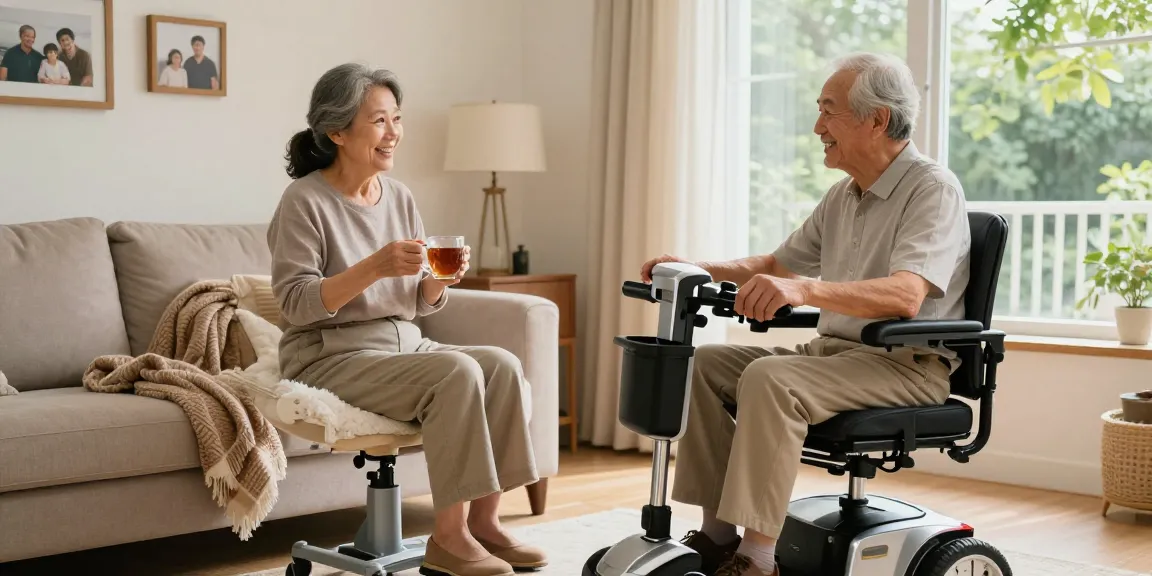
Understanding Home Health Equipment
As healthcare continues to advance, the importance of shoppers home health equipment has surged. Home health equipment encompasses a wide range of tools and devices designed to support patients in their own residences, allowing for a comfortable and efficient recovery process. This article delves into the various types of home health equipment, their benefits, and critical insights into its utilization, ensuring you are well-informed as you navigate your options.
What is Home Health Equipment?
Home health equipment refers to medical devices that are prescribed for use in a home setting. They are typically utilized by individuals who require assistance with daily activities due to illness, injury, or age-related issues. This equipment can range from simple aids like walkers and canes to complex devices such as ventilators or mobility scooters. The primary goal of home health equipment is to enhance the quality of life and self-sufficiency of users, allowing them to lead more independent lives while receiving necessary medical care.
Types of Shoppers Home Health Equipment
Understanding the diversity of home health equipment can significantly influence your purchasing decisions. Here are some common categories:
- Mobility Aids: Includes canes, walkers, and wheelchairs designed to assist individuals who have difficulty moving.
- Bathing Aids: Devices like grab bars, shower chairs, and bathing benches that enhance safety during personal hygiene routines.
- Respiratory Equipment: Includes nebulizers, oxygen concentrators, and CPAP machines for individuals with breathing difficulties.
- Monitoring Devices: Tools such as blood pressure monitors, glucose meters, and pulse oximeters that allow patients to track health metrics from home.
- Daily Living Aids: Items like reachers, dressing aids, and adaptive utensils that help individuals perform daily tasks with ease.
Benefits of Using Home Health Equipment
Utilizing home health equipment offers numerous benefits that facilitate comfort and safety for users, including:
- Increased Independence: Equipment allows users to perform daily tasks with minimal assistance, fostering a sense of autonomy.
- Enhanced Safety: Many products are designed to reduce the risk of falls and injuries at home.
- Better Health Monitoring: Equipment enables individuals to manage their health conditions effectively from their homes.
- Cost-Effective Care: Home health equipment can reduce the need for frequent hospital visits, thereby lowering overall healthcare costs.
Common Misconceptions About Home Health Equipment
Despite its many benefits, home health equipment is often surrounded by misconceptions that can hinder its adoption. Clearing these myths is crucial for better understanding.
Myth 1: Home Health Equipment is Only for the Elderly
One of the most prevalent myths is that home health equipment is exclusively for seniors. In reality, people of all ages can benefit from various home health devices. Young adults recovering from surgeries, individuals with chronic illnesses, and even children with disabilities can utilize these aids to improve their quality of life.
Myth 2: All Home Health Equipment is Expensive
Another common misconception is that all home health equipment comes with a hefty price tag. While some specialized equipment can be costly, many affordable options are designed to meet the needs of different budgets. Additionally, numerous insurance plans and financial assistance programs can help offset costs.
Myth 3: Home Health Equipment is Complicated to Use
Many people believe that home health equipment is complex and requires extensive training. While some devices may have a learning curve, most are designed with user-friendliness in mind. Many manufacturers provide comprehensive instructions and customer support to assist users in navigating their equipment effectively.
Choosing the Right Home Health Equipment for Your Needs
Selecting the right home health equipment involves a careful assessment of individual circumstances and needs. Here are some strategies to ensure you make informed choices:
Assessing Individual Needs and Limitations
Before purchasing home health equipment, it’s essential to evaluate the user’s specific needs. Consider factors such as mobility limitations, medical conditions, and day-to-day challenges. This evaluation will help narrow down the types of equipment most suitable for the individual.
Consulting Professionals for Recommendations
Engaging healthcare professionals, such as doctors or physical therapists, can provide valuable insights into the most appropriate types of equipment. These experts can assess individual limitations and recommend specific products tailored to enhance comfort and safety.
Evaluating Equipment for Safety and Accessibility
When selecting home health equipment, it’s crucial to prioritize safety and accessibility. Look for products that meet safety standards, and ensure they are user-friendly for the individual’s specific needs. Additionally, consider the layout of the home to determine how well the chosen equipment will fit into daily living spaces.
Best Practices for Using Home Health Equipment
To maximize the benefits of home health equipment, users and caregivers should adopt best practices for usage and maintenance.
Regular Maintenance and Care
Ensuring that home health equipment is well-maintained is essential for its longevity and performance. Regularly check for signs of wear and tear, clean equipment as per the manufacturer’s instructions, and store devices safely when not in use.
Training and Educating Users and Caregivers
Proper training for both users and caregivers is necessary for effective equipment utilization. This training can include demonstrations on how to operate devices, as well as understanding safety features. Many manufacturers offer training materials or support services to aid in this process.
Monitoring Equipment Effectiveness and Comfort
Continuously assess how well the equipment meets the user’s needs. Solicit feedback from the user regarding comfort and ease of use, and make adjustments as necessary. If an item is no longer effective, it may be time to explore alternatives.
Future Trends in Home Health Equipment for 2026
As the healthcare landscape evolves, home health equipment is being transformed by new technologies and consumer demands. Here are some anticipated trends for 2026:
Innovations in Design and Functionality
Expect to see a surge in innovative designs that prioritize user comfort and ease of use. Lighter materials, ergonomic designs, and multifunctional devices will make equipment more appealing and effective.
Advancements in Telehealth Integration
The integration of telehealth solutions with home health equipment is set to expand significantly. Devices that can connect to telehealth platforms will allow for real-time health monitoring and virtual consultations, enhancing patient care.
Changing Regulations and Consumer Expectations
As consumer expectations rise, regulatory standards for home health equipment are also evolving. Manufacturers will need to adhere to stricter safety guidelines while also ensuring their products remain user-friendly and accessible.
Frequently Asked Questions
What are the most popular types of home health equipment?
The most popular types of home health equipment include mobility aids, respiratory devices, monitoring tools, and daily living aids, each designed to meet specific user needs.
How can I determine the right equipment for my loved one?
To determine the most appropriate equipment, assess their individual needs and limitations, consult healthcare professionals for advice, and consider the safety and functionality of different products.
Are there financial assistance options for home health equipment?
Yes, many insurance plans cover some costs associated with home health equipment, and there are also various assistance programs available for those in need.
What should I consider when maintaining home health equipment?
Regular maintenance includes cleaning the equipment, checking for wear and tear, and following the manufacturer’s instructions for care and storage to ensure safety and longevity.
What innovations should we expect in home health equipment by 2026?
Anticipated innovations include advanced technologies like telehealth integration, improved ergonomic designs, and multifunctional devices that enhance usability and patient comfort.


